Anti-social Dog Mom
A Designer’s First Look: Charm with a Wink, Not a Shout
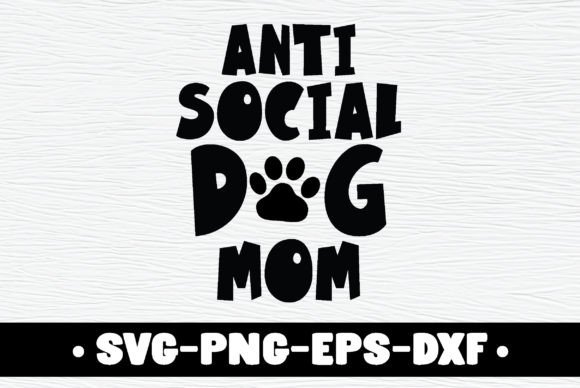
Opening the Anti-social Dog Mom zip file feels like unboxing a well-crafted inside joke—immediate, relatable, and quietly confident. It’s not loud or aggressive; it leans into dry humor with clean lines and intentional negative space. The phrase sits horizontally, balanced but relaxed, with subtle typographic personality—slightly rounded edges, consistent stroke weight, and breathing room between letters. As an embroidery designer who’s stitched hundreds of text-based designs, I instantly recognize this as a *machine embroidery design* built for clarity, not clutter. It doesn’t try to be cute or cloying—it’s self-aware, and that makes it unusually versatile.
Where It Lives Best: Real Projects, Real People
Last week, I prepped a small-batch run of linen tote bags for a local dog-walking co-op. We needed something that resonated with their audience—people who love dogs fiercely but also value quiet mornings, solo walks, and zero small talk. Anti-social Dog Mom landed perfectly on the front left chest panel: 3.5” wide, medium-density fill stitch, black thread on natural linen. It stitched cleanly, read instantly at arm’s length, and sparked genuine smiles—not just from dog owners, but from people who recognized themselves in the sentiment. That’s the sweet spot: personalized gifts, boutique apparel, and small shop merchandise where authenticity matters more than polish.
It works just as well on a heavyweight cotton sweatshirt (with tear-away + cutaway stabilizer), a tea towel for a pet-friendly kitchen, or even a minimalist baby onesie—though I’d size it down slightly and confirm stitch density isn’t too heavy for delicate skin. For embroidered patches, the clean letterforms hold up beautifully in satin stitch borders, and the layout allows for easy backing without awkward trimming.
Where to Pause—and Test
This isn’t a “set and forget” design. Its charm lives in its simplicity, but that means small choices carry weight. On thin or stretchy fabric—like lightweight knits or rayon blends—test first. Running stitch outlines can waver if tension isn’t dialed in, and dense fill areas (especially in the thicker parts of letters like “g” or “o”) may pucker without proper stabilizer support. Curved surfaces—caps or curved pillow covers—require careful hooping and possibly slight repositioning to keep spacing legible.
Dark fabric? Absolutely fine—but check contrast in your mockups. A light gray thread might vanish on navy; go for charcoal or white instead. And if you’re using it on layered garments (think reversible aprons or double-sided patches), verify the backside stitching doesn’t show through. Tiny details—like the subtle curve in the “a” or spacing before the apostrophe—look sharp on screen but need verification in actual stitch-out. Always run a test on scrap fabric first, especially if selling finished products.
Design Assets That Support Your Craft Business
The included file formats—SVG, EPS, DXF, and 300 dpi PNG—make Anti-social Dog Mom genuinely flexible. SVG and EPS let me tweak sizing and layering in design software before digitizing; DXF works cleanly with many embroidery digitizing platforms; the high-res PNG is perfect for Etsy listings, printable mockups, and social media previews. As a digital product seller myself, I appreciate that these aren’t afterthoughts—they’re tools that help maintain brand consistency across handmade product photos, packaging inserts, and client presentations.
That said: always confirm licensing terms before using Anti-social Dog Mom in commercial embroidery projects or reselling digital files. The listing says “digital download only”—so while it’s clearly intended for craft business use, double-check whether redistribution or derivative design creation is permitted. Clarity here protects both your reputation and your bottom line.
What It Adds to Your Finished Product
Stitched well, Anti-social Dog Mom elevates perception—not just of the item, but of the maker. It signals intentionality: you didn’t slap on a trend; you chose something with voice and restraint. Customers notice that. On Etsy, it increases buyer engagement—people comment, tag friends, save listings. In person, it invites conversation (“Wait—is that *you*?”) without demanding attention. That balance is rare.
It also strengthens giftability. A holiday embroidery on a cozy blanket or a wedding gift for the friend who brought her rescue to the ceremony? Yes—it’s warm, personal, and memorable without being saccharine. And because it avoids clip-art clichés (no paw prints, no cartoon dogs), it fits seamlessly into modern home goods, gender-neutral baby items, and minimalist apparel lines.
Practical Notes Every Embroiderer Should Keep Handy
- Test first: Stitch on scrap fabric matching your final project’s weight and texture.
- Check thread color contrast: Especially on dark or textured fabrics—what looks good on screen may disappear when stitched.
- Review stitch density: High-density fills look rich but can stiffen lightweight fabrics—adjust if needed.
- Confirm hoop size: The design’s width and height affect placement options—measure before hooping.
- Inspect small details: Zoom in on your embroidery software to ensure corners and curves are smooth and stitchable.
- Mock it in black and white: Helps spot unintended visual noise or legibility issues.
- Use proper stabilizer: Cutaway for knits, tear-away for stable wovens, and fusible for lightweight layers.
- Verify commercial use rights: Don’t assume—check the license before selling finished items or digital embroidery files.
At its core, Anti-social Dog Mom isn’t just a phrase—it’s a thoughtful piece of design language. It respects the craftsperson’s time, the customer’s intelligence, and the quiet power of saying something real, simply. Whether you’re an Etsy seller building a loyal following, a small shop owner curating meaningful merchandise, or a hobbyist stitching heartfelt gifts, this design earns its place—not because it’s trendy, but because it stitches true.