Dog Christmas Buffalo Plaid Sublimation
A Designer’s First Look: Charm, Clarity, and That Instant Holiday Nod
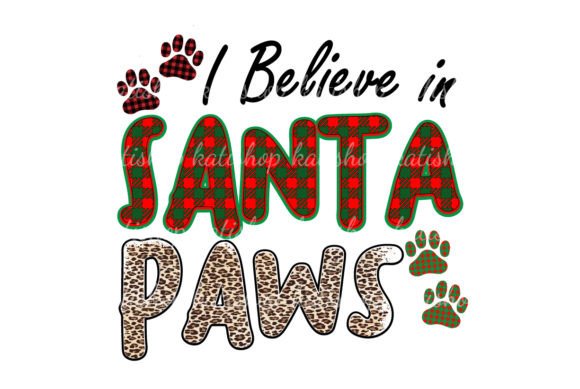
When Dog Christmas Buffalo Plaid Sublimation landed in my inbox, I paused mid-coffee. Not because it screamed “wow”—but because it whispered something quieter and more useful: recognizable, cohesive, and ready to wear. It’s a clean, centered composition—no frantic swirls or overcomplicated layers—just a friendly dog silhouette (think soft muzzle, perked ears) nestled into classic buffalo plaid with subtle holly sprigs and a gentle “Merry” script. The mood? Warm, nostalgic, unpretentious. Not overly cutesy, not aggressively rustic—it lands right in that sweet spot for handmade holiday goods where authenticity matters more than polish.
Real Project Test: Turning Pixels Into Stitched Tote Bags
Last week, I prepped a batch of cotton canvas tote bags for a local boutique’s holiday pop-up. I pulled up Dog Christmas Buffalo Plaid Sublimation and immediately asked: *Will this hold up as embroidery—not just sublimation?* Because while the listing says “PNG for sublimation,” many of us—Etsy sellers, craft fair vendors, small shop owners—convert these graphics into machine embroidery designs. So I treated it like a starting point: traced the outline, simplified inner details, adjusted spacing for stitch clarity, and tested three versions on scrap fabric. What stood out? Its generous negative space and bold silhouette translate beautifully to satin-stitched borders and open fill areas. No tiny antlers or micro-lettering to vanish under thread. That means fewer dropped stitches on sweatshirts, cleaner edges on tea towels, and reliable readability even at 4” wide on a baby onesie.
Where It Shines—and Where to Pause
Dog Christmas Buffalo Plaid Sublimation feels tailor-made for custom apparel and cozy home goods. On a heavyweight cotton sweatshirt? Yes—its balanced weight anchors without overwhelming. On a linen pillow cover? Absolutely—the plaid rhythm echoes natural textile texture. As an embroidered patch? Strong candidate, especially if you add a simple zigzag or satin border for durability. For nursery decor or personalized baby gifts? Thoughtful and gender-neutral, with enough charm to feel special but not so specific it limits resale.
But here’s where instinct kicks in: avoid dense fill stitch in the plaid squares unless you’re using lightweight stabilizer and testing thread tension carefully. Skip ultra-fine detail work on thin jersey or stretchy knits—the design wasn’t built for distortion. And on dark fabrics? Always mock it up in black-and-white first; some lighter plaid lines may soften unless you boost contrast in your digitizing software. Curved surfaces like caps? Possible—but only if you reduce overall width and simplify interior elements. This isn’t a one-click cap design; it’s a foundation that rewards thoughtful adaptation.
What It Does for Your Craft Business
As someone who’s reviewed hundreds of digital embroidery files and graphics, I’ll say this plainly: Dog Christmas Buffalo Plaid Sublimation builds trust—not through flash, but through consistency. Customers scrolling Etsy or browsing your holiday booth don’t pause for technical specs. They feel whether something looks *made with care*. This design delivers that quiet confidence. It reads as intentional, not algorithm-generated. That lifts perceived value on finished products—whether it’s a $38 embroidered apron or a $22 holiday mug. It also supports brand cohesion: pair it with simple serif fonts and warm neutrals across your listings, and your shop feels curated, not cluttered.
For digital product sellers, it’s a smart addition to a seasonal bundle—especially when paired with coordinating motifs (a matching bone icon, minimalist wreath, or plain plaid background). Just remember: since it arrives as a single PNG at 300 DPI, you’ll need to digitize it yourself—or hire a digitizer—for true embroidery use. Don’t assume auto-digitizing software will handle the plaid’s rhythm cleanly. And always verify licensing terms before reselling the graphic itself or bundling it commercially.
Practical Notes Every Embroidery Designer Should Keep Handy
- Test first—on your actual fabric, with your thread colors and stabilizer stack. A tote bag’s canvas behaves very differently than a baby blanket’s minky.
- Check stitch density in any digitized version—buffalo plaid can tempt you toward heavy fills, but breathability matters on apparel.
- Confirm hoop size compatibility before stitching on curved items like hats or sleeves. That central dog motif should fit comfortably within your standard hoop.
- Inspect small details at 200% zoom—especially where plaid lines meet the dog’s outline. Clean joins prevent “fuzzy” edges after stitching.
- Try black-and-white mockups to gauge contrast on light vs. dark backgrounds. Some holiday buyers choose navy sweatshirts or charcoal tea towels—don’t let subtle details disappear.
- Use appropriate stabilizer: cutaway for knits, tear-away for stable wovens, and fusible + tear-away for delicate linens.
- Verify commercial use rights before selling finished embroidered items or digital embroidery files derived from this graphic.
Final Thought: A Quiet Workhorse, Not a Showstopper
Dog Christmas Buffalo Plaid Sublimation won’t dominate your Instagram feed with glitter or motion—but it will quietly sell. It fits seamlessly into real-life craft business rhythms: quick-to-digitize, easy-to-merchandise, and genuinely liked by customers who want holiday spirit without cliché. Whether you’re an Etsy seller batching personalized gifts, a boutique owner curating small-shop merchandise, or a designer building a cohesive holiday collection, this is the kind of Crafts asset that earns repeat use—not because it’s flashy, but because it’s dependable. And in the world of handmade product creation, dependable is rare, valuable, and deeply underrated.