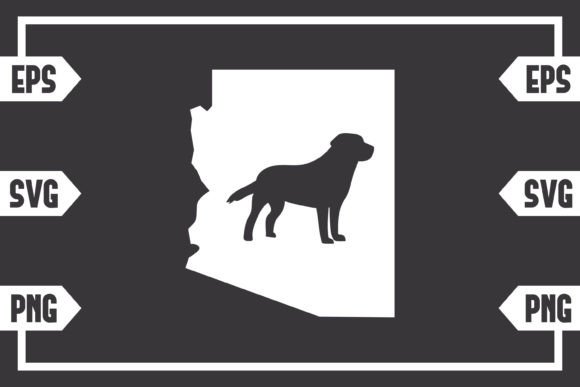
Arizona - Dog
A Designer’s First Glance: Clean, Friendly, and Quietly Confident
Opening Arizona - Dog for the first time, I felt that familiar little lift—the kind you get when a design lands with intention, not just decoration. It’s not flashy or overly detailed, but it carries warmth and regional charm without leaning into cliché. The silhouette feels balanced: a relaxed dog pose, likely sitting or standing gently, with subtle contour lines suggesting fur texture and soft ears. There’s no heavy outlining or aggressive contrast—just confident negative space and thoughtful proportion. As a machine embroidery design, its strength lies in how easily it translates to stitch: clean edges, moderate curves, and no micro-details that would vanish under thread. It reads well at 3–4 inches wide—the sweet spot for tote bags, baby onesies, and aprons.
Real Project Test: A Custom Embroidered Tote for a Phoenix Boutique
Last week, I used Arizona - Dog on a natural canvas tote for a local Phoenix boutique launching a “Pup & Cactus” summer collection. We stitched it centered on the front panel using medium-weight tear-away stabilizer and 40-weight polyester thread. The result? Crisp, legible, and quietly memorable. Customers paused—not because it shouted, but because it *felt* like Arizona: grounded, friendly, unhurried. That’s the quiet power of this design. It doesn’t compete with fabric texture or overwhelm the item; instead, it elevates it. On a structured tote, it read as artisanal, not mass-produced. On a lightweight tea towel? Still clear—but only with proper backing and slightly reduced density.
Where Arizona - Dog Shines—and Where It Needs Thoughtful Handling
This is a versatile embroidery file, but versatility isn’t universal. Here’s where it delivers:
- Custom apparel: Works beautifully on sweatshirts and crewneck tees—especially mid-chest or left-chest placements. The shape avoids seam lines and fits comfortably within standard hoop sizes.
- Baby embroidery: Gentle enough for onesies and burp cloths. No sharp angles or tiny elements that snag or irritate delicate skin.
- Embroidered patch: Clean outlines and open interior areas make it ideal for sew-on or iron-on patches—just adjust fill stitch density to avoid stiffness.
- Holiday embroidery & personalized gifts: Paired with a simple “Happy Holidays from the Desert” script (added separately), it became a standout stocking stuffer and teacher gift—recognizable, warm, and regionally resonant.
- Craft business & Etsy seller use: It’s distinctive without being niche-locked. Buyers searching for “dog embroidery,” “Southwest craft,” or “personalized pet gift” will find it relevant—and it photographs well in printable mockups.
But here’s where attention matters:
- Small hoop sizes: Below 3 inches, some contour definition blurs. If stitching for a cap or child’s hat, test first—you may need to simplify or enlarge slightly.
- Textured or stretchy fabric: On terry cloth towels or jersey knit, use cut-away stabilizer and reduce stitch density. Fill areas can pucker if over-packed.
- Dark fabric: The design relies on shape, not high-contrast line work—so choose thread colors deliberately. A warm tan or muted terracotta pops nicely on navy or charcoal; black thread on black fades entirely.
- Curved surfaces (caps, mugs, curved pillow covers): The silhouette holds up better than script-based designs, but always test on scrap with your actual hooping method.
What This Design Says About Your Finished Product
When customers see Arizona - Dog on a handmade product, they’re not just seeing a dog—they’re sensing care, clarity, and intention. That impression directly affects perceived value. A well-executed version builds trust: it tells buyers you understand scale, fabric behavior, and visual hierarchy. For Etsy sellers, that means fewer “Is this really embroidered?” questions and more repeat customers asking, “Can you do one with our rescue pup’s name?”
It also supports brand consistency. Whether you’re building a Southwest-themed craft business or offering custom pet portraits, Arizona - Dog anchors your aesthetic without limiting flexibility. It’s not so literal that it excludes non-Arizona customers—it’s evocative enough to feel personal, generic enough to scale.
Practical Designer Notes Before You Stitch
Before committing to your first run—whether for a client, shop stock, or a holiday batch—here’s what I always do:
- Test on scrap fabric that matches your final material—same weight, same stretch, same finish.
- Check thread color contrast in natural light and under store lighting. What looks rich on screen may mute on fabric.
- Review stitch density in your embroidery software. If the fill areas look overly dense, reduce by 10–15%—especially for baby items or lightweight textiles.
- Confirm hoop size compatibility. While the SVG scales freely, your machine’s maximum embroidery area sets real limits.
- Inspect small details at 200% zoom—look for stray nodes or overlapping paths that could cause stitching hiccups.
- Test in black-and-white mockups to assess silhouette strength alone. If it reads clearly without color, you’re golden.
- Compare light vs. dark backgrounds—not just for thread choice, but for how the shape interacts with fabric grain and shadow.
- Use appropriate stabilizer: tear-away for stable wovens, cut-away for knits, and fusible for lightweight linens.
- Verify licensing terms before selling finished items or bundling Arizona - Dog into digital product kits. Since this is a Graphics download for Crafts, confirm commercial use rights directly with the creator.
Final Thought: A Design That Earns Its Place
Arizona - Dog isn’t a showstopper—it’s a steady hand. It won’t dominate a shelf, but it will hold attention long enough to spark a smile, a memory, or a “Where did you get that?” That’s the mark of smart, human-centered design. For embroidery designers building real businesses—not just uploading files—this is the kind of asset that quietly compounds value: reliable across projects, respectful of fabric and machine, and warm enough to feel handmade, even at scale.