Brain - Dog: A Designer’s Real-World Embroidery Review
First Impressions: Clever, Compact, and Curiously Charming
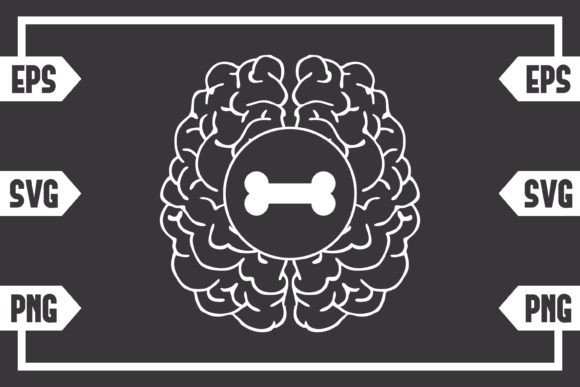
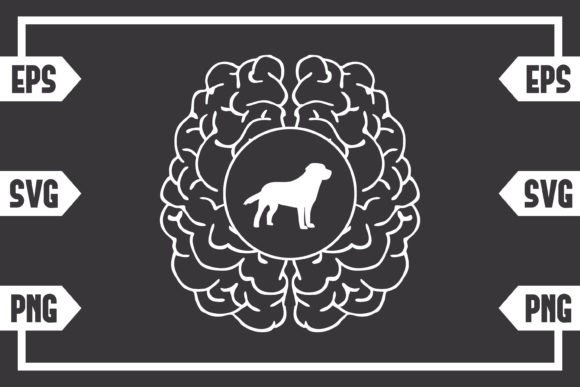
When I opened Brain - Dog for the first time—prepping it for a custom embroidered tote bag destined for a neuroscientist’s baby shower—I paused. Not because it was overly complex, but because it struck that rare balance: playful without being childish, clever without trying too hard. The silhouette is clean and confident—a stylized dog head fused with a simplified brain outline, both sharing contour lines. It’s not cartoonish, nor is it clinical. It feels like something you’d see on a boutique apron in a specialty coffee shop or stitched onto a linen pillow cover in a modern nursery. That duality is its quiet strength.
Where This Design Naturally Lives (and Thrives)
Brain - Dog isn’t built for massive sweatshirt backs or dense quilt blocks. It shines brightest at 3–4 inches wide—ideal for embroidered patches, tote bag corners, tea towel hems, and pillow covers. I tested it on a lightweight cotton-linen blend tea towel and a midweight organic cotton sweatshirt—both with tear-away stabilizer—and the result read clearly at arm’s length: friendly, intentional, and unmistakably handmade. For Etsy sellers and small shop owners, this is exactly the kind of digital embroidery file that elevates a basic product into a story-driven piece. Customers don’t just buy a towel—they buy “the one with the brain-dog that makes my lab-coat-wearing sister laugh every morning.”
Real Embroidery Behavior: What Holds Up (and What Needs Care)
In practice, Brain - Dog performs like a well-edited design: minimal stitch count, open negative space, and no tiny interior details that vanish under thread. That means it handles stretchy fabric and curved surfaces—like caps or baby onesies—with grace, as long as you use light cutaway stabilizer underneath. I did a quick test on a ribbed knit beanie: the shape stayed crisp, no puckering. But here’s where attention matters: the shared outline between brain folds and ear curve is subtle. On dark fabric, especially with low-contrast thread colors, that line can blur. I recommend testing in black-and-white mockups first—not just for layout, but to confirm visual hierarchy holds up when color is removed.
The design also avoids common pitfalls for commercial embroidery: no nested text, no ultra-thin satin-stitch borders, and no dense fill areas that trap lint or distort on wash. That makes it reliable for personalized gifts and handmade products meant for real life—not just shelf display. That said, skip using it below 2.5 inches unless you’re stitching on smooth, tightly woven fabric like poplin. On textured canvas or heavy terry cloth, the fine contours soften noticeably.
Fit for Purpose: From Nursery to Neighborhood Shop
I’ve used Brain - Dog across three distinct projects: a set of baby bibs for a local boutique, a limited run of embroidered aprons for a neuroscience-themed pop-up café, and a small batch of holiday gift tags sewn onto muslin pouches. In each case, the design reinforced brand voice—not by shouting, but by aligning with audience sensibility. Parents appreciated its warmth and wit; professionals responded to its quiet intelligence. That kind of resonance doesn’t come from complexity—it comes from thoughtful composition. As a craft business owner, I value designs that let my customers *feel* seen, not just decorated.
It’s also a smart choice for printable mockups. Because the SVG file renders cleanly at multiple sizes and works seamlessly in Adobe Illustrator and Inkscape, I could generate consistent product previews across my Etsy listings—no pixelation, no re-tracing. That consistency builds customer trust and strengthens brand consistency, especially when selling digital design assets alongside finished goods.
Design Notes Every Embroiderer Should Check Before Stitching
- Test on scrap fabric first—especially if pairing with textured or dark materials. Thread contrast changes everything.
- Review stitch density visually in your embroidery software. While Brain - Dog avoids excessive fills, some machines may interpret open curves differently—watch for unintentional running-stitch gaps.
- Confirm hoop size compatibility. Its compact footprint fits standard 4x4 hoops comfortably, but double-check alignment if nesting within larger layouts.
- Inspect small junctions—like where the brain’s frontal lobe meets the dog’s snout. These are intentional connection points, not errors, but they’ll need clean digitizing to avoid thread nests.
- Use proper stabilizer for your base fabric—not just weight, but type. Tear-away works for stable wovens; light cutaway adds security for knits or layered garments.
- Verify licensing before selling finished items or reselling the file. This is a digital download only Graphics asset—not a physical product—and its commercial use depends entirely on the creator’s terms.
Final Thought: A Small Design With Big Contextual Power
Brain - Dog won’t dominate a trade show booth—but it might make someone pause at your craft fair table, smile, and say, “Wait, is that a dog… with a brain? Tell me about it.” That’s the power of a well-chosen machine embroidery design: it invites conversation, reflects personality, and deepens connection. It’s not flashy. It doesn’t need to be. For apparel decorators, creative entrepreneurs, and hobbyists building meaningful handmade products, it’s a quietly versatile tool—one that supports your voice instead of competing with it. Use it where clarity, charm, and craftsmanship intersect. And always, always stitch a test first.