Chest Rip off Dog
A Designer’s First Glance: Bold, Playful, and Unapologetically Graphic
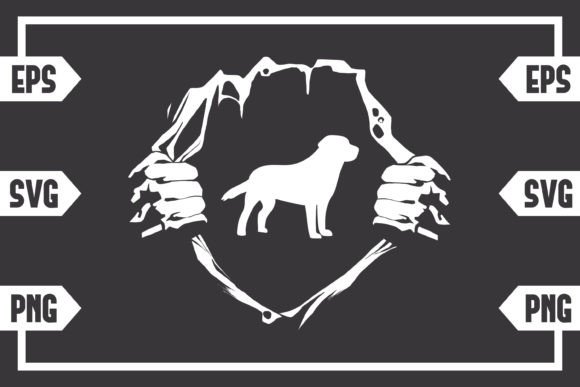
Opening the Chest Rip off Dog file feels like flipping open a sketchbook mid-brainstorm—energetic, slightly irreverent, and full of personality. It’s not a photorealistic portrait or a delicate line drawing; it’s a stylized, chest-ripping dog motif that leans into graphic confidence. The silhouette reads instantly: strong outline, exaggerated posture, and a cheeky, almost cartoonish intensity. As an embroidery designer who’s stitched hundreds of animal motifs—from nursery-soft foxes to vintage-style terriers—I immediately ask: *Does this hold up when translated into thread?* Not just as a vector on screen, but as a finished embroidered patch on a canvas tote, a sweatshirt front, or a baby onesie?
Real Project Test: A Custom Embroidered Tote for a Local Dog Rescue Pop-Up
Last week, I prepped a small batch of cotton canvas totes for a rescue fundraiser—each with a custom embroidered design on the chest panel. I pulled up Chest Rip off Dog in my digitizing software and ran a quick visual simulation: 4-inch hoop, medium-weight tear-away stabilizer, matte poly thread. What stood out wasn’t just the shape—it was how the negative space worked. The “ripped” chest area creates built-in breathing room, which means less fill stitch density and better drape on structured fabric. On the tote, it landed with impact: bold enough for visibility at a crowded craft fair, but not so busy that it overwhelmed the natural texture of the canvas. Customers paused, smiled, and asked, *“Is that a real dog?”* That kind of reaction matters—it signals clarity, charm, and intention.
Where It Shines (and Where It Needs Care)
Chest Rip off Dog thrives in contexts where attitude meets utility:
- Custom apparel: Works especially well on crewneck sweatshirts and relaxed-fit tees—its graphic weight balances casual silhouettes without competing with garment seams.
- Embroidered patch: Clean outer edge makes it ideal for iron-on or sew-on patches on denim jackets, backpacks, or aprons.
- Tote bag design: Holds its own on wide, flat surfaces—no distortion, no lost detail, even at 5–6 inches wide.
- Holiday embroidery & personalized gift: Surprisingly versatile for dog-themed Christmas stockings or birthday tea towels—adds humor without sacrificing craftsmanship.
- Craft business & Etsy seller use: Distinctive enough to stand out in search results, simple enough to digitize efficiently for bulk orders.
But—and this is where experience kicks in—Chest Rip off Dog isn’t universally forgiving. It’s a Graphics-category asset, not a pre-digitized machine embroidery design. That means you’ll need to convert it thoughtfully for your specific project. Here’s what to watch for:
- Small hoop sizes: Below 3 inches, the chest “rip” detail may compress or lose definition—test on scrap first.
- Textured or stretchy fabric: On fleece or ribbed knits, tighten your tension and consider cut-away stabilizer to keep lines crisp.
- Dark fabric: The design’s high-contrast shape benefits from bright thread (kelly green, sunflower yellow) or tonal black-on-charcoal for boutique sophistication.
- Curved surfaces: Caps and beanies demand careful placement—avoid stitching directly over the crown seam unless you’ve adjusted pull compensation.
- Frequent washing: If using for baby embroidery or kitchen towels, reinforce satin-stitched edges with a light running stitch border or opt for denser fill in critical zones.
Design Integrity Meets Customer Trust
As a designer who sells both finished handmade products and digital embroidery files, I pay close attention to how a motif lands emotionally and commercially. Chest Rip off Dog reads as confident—not aggressive, not cutesy, but authentically playful. That tone builds trust: customers buying a dog-themed gift know exactly what energy they’re bringing home. For Etsy sellers, that consistency helps with branding across listings, printable mockups, and social previews. And for small shop owners curating boutique merchandise? It fits right alongside curated ceramics and linen napkins—not as a gimmick, but as a signature graphic touch.
Practical Embroidery Designer Notes (From One Maker to Another)
Before cutting fabric or loading hoops, run through these checks:
- Test on scrap—especially if using textured, lightweight, or dark fabric.
- Review thread color contrast: This design lives or dies by legibility. Avoid low-contrast combos like navy on black or heather gray on charcoal unless intentionally going minimalist.
- Confirm stitch density: Since this is an SVG-only download (not a pre-digitized embroidery file), assess how your digitizer handles interior fills and outlines—avoid over-stuffing the chest cavity.
- Check hoop size compatibility: Measure your intended placement area and compare it to your machine’s max hoop dimensions—don’t assume “standard” fits all.
- Inspect small details: Zoom in on the dog’s muzzle, ear tips, and rip edges—these are where stitch fidelity matters most.
- Mock it up in black and white: Helps spot unintended optical illusions or muddy transitions.
- Use proper stabilizer: Medium-weight cut-away works best for woven fabrics; tear-away suffices for stable cottons.
- Verify licensing: This is a digital download for Crafts—confirm whether your intended use (e.g., selling embroidered totes or reselling digitized versions) falls within permitted commercial terms.
Final Thought: A Design That Earns Its Place
Chest Rip off Dog isn’t background noise—it’s a statement piece with quiet versatility. It doesn’t try to be everything. It’s not a nursery motif, nor a corporate logo, nor a subtle monogram. It’s a spirited, clean-lined graphic that earns its place on a coffee shop apron, a rescue volunteer’s cap, or a teen’s personalized backpack. As a designer, I appreciate assets that spark ideas instead of demanding heavy editing—and this one does. Whether you’re building a craft business, stocking a holiday pop-up, or stitching heartfelt gifts, Chest Rip off Dog delivers personality with purpose. Just remember: great embroidery starts with thoughtful translation—not just copying a vector, but honoring how thread, fabric, and intention come together.